







Search Results for: repeated steeping
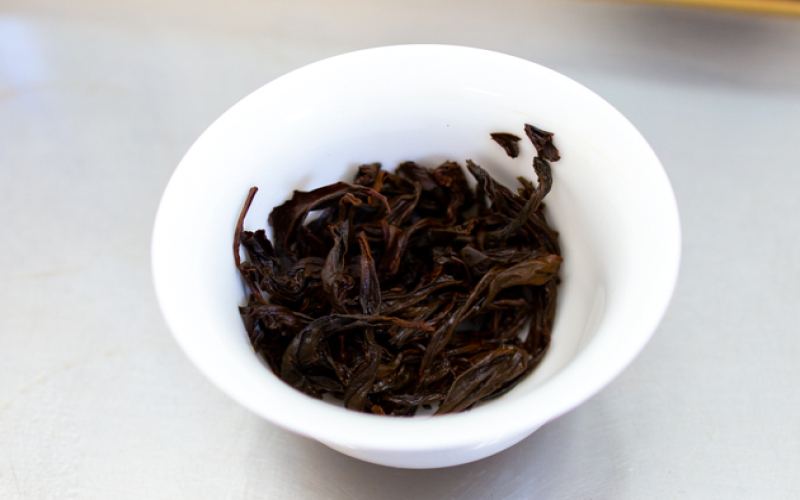
How many times can Lapsang Souchong Congou black tea be repeatedly brewed? The finer points of tea quantity for two and water quality
How many times can Zhengshan Xiaozhong Gongfu black tea actually be re-steeped? And for two people, how many grams of tea leaves should be weighed out? The answer lies in the water used, the tea-to-water ratio, and the rhythm of pouring. This article begins with water treatment, explaining why mineral water or mountain spring water is preferable, why tap water must be boiled to remove chlorine, and how scale and frequent water changes affect the taste of the tea; it then gives the general ratio of 40 milliliters of water to 1 gram of tea, and demonstrates the steps of warming the vessel, adding the tea, and a one-minute first steep. The key point is that after the second steep, almost no covered steeping is needed—simply letting boiling water skim over the leaves is enough, and only in this way can six consecutive steeps still carry flavor. The same principle applies to Front Street black tea. [more…]
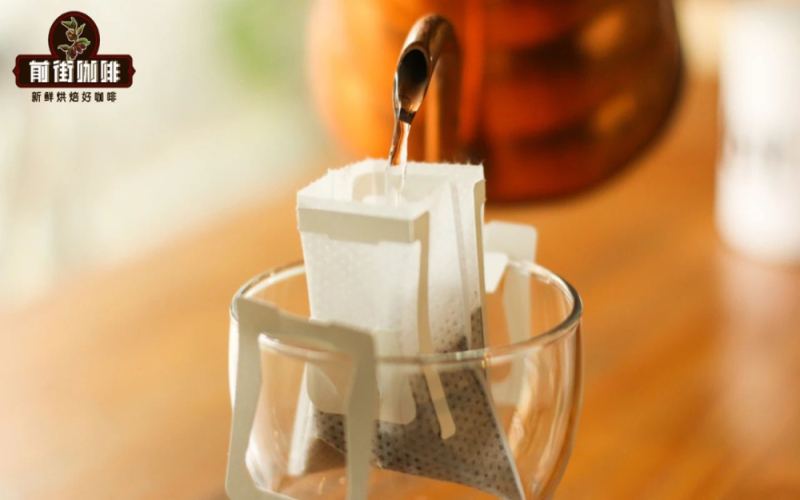
Can drip bags be steeped directly? Can they be brewed repeatedly? A detailed guide to making iced coffee
Drip bag coffee, with its convenient brewing method, allows many people to enjoy a fresh cup of coffee anytime, anywhere. However, in daily use, questions about whether drip bags can be steeped directly in hot water, how many times one bag can be brewed, what flavor options are available, and how to make iced coffee with them are still frequently asked. This article will answer these questions one by one, and using Front Street Coffee drip bags as an example, explain in detail the specific steps and extraction parameters for making iced coffee, to help you better master the correct way to use drip bag coffee. [more…]
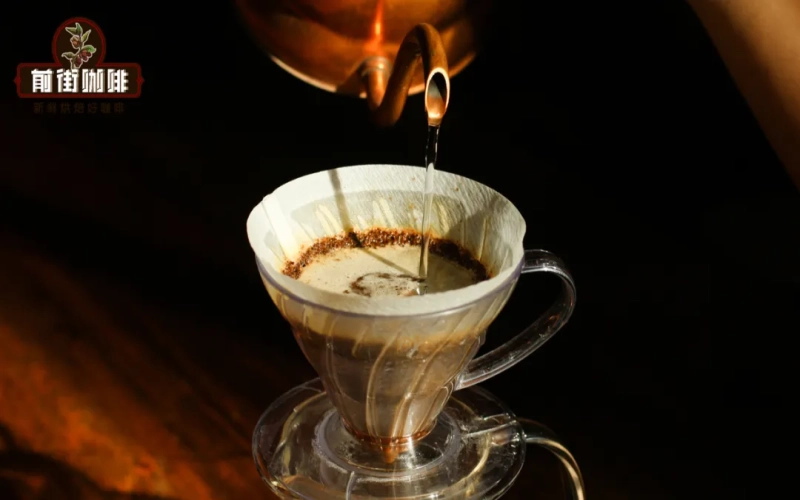
Can coffee grounds be brewed a second time? Analyzing why coffee, unlike tea leaves, cannot be repeatedly re-steeped from the perspective of extraction yield and flavor balance
A friend once asked while buying beans at the Front Street store: can coffee grounds that have already been brewed once be used again for a second cup? Some bloggers online have also demonstrated that a second brew can still yield decent flavor. From a practical standpoint, of course coffee grounds can be brewed again—even a third or fourth time. But "can be brewed" and "tastes good" are two entirely different matters. This article starts from actual tests on Front Street's Sidra, and combines the proportion of soluble matter, extraction yield control, and the differences in dissolution rates of acidity, sweetness, and bitterness to explain why coffee is usually brewed only once, and the fundamental reasons why a second brew tastes thin and lacks layering, before offering a conclusion that better suits the general palate. [more…]
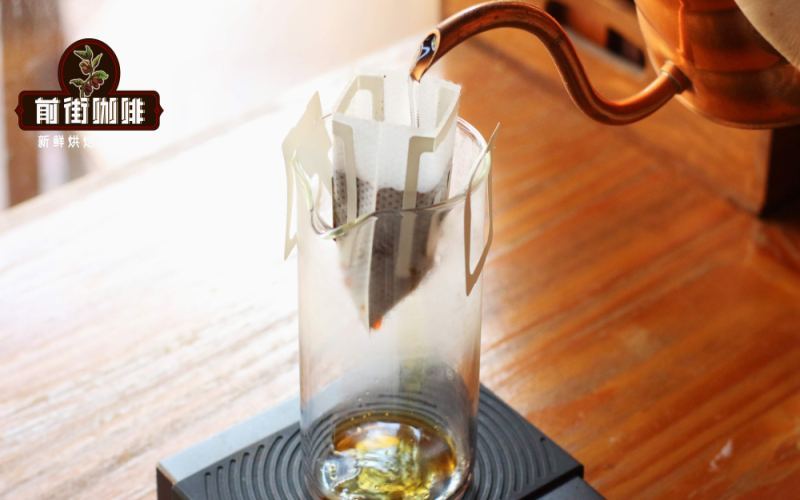
Why shouldn't drip bag coffee be steeped for a long time? The correct brewing method for filter-style black coffee and an analysis of how many times it can be brewed
Many friends who are new to drip bag coffee often run into this confusion: the brewed coffee comes out weak and tasteless, or the acidity and bitterness are out of balance with a thin mouthfeel. The root of these problems is often closely tied to the brewing method. This article, compiled by Front Street Coffee, covers freshness management for drip bag coffee, common mistakes, the choice of cup and water temperature, and a standardized three-stage pouring process. It also answers questions such as whether drip bag coffee can be brewed repeatedly and why it cannot be steeped like a tea bag, helping you consistently produce a full-flavored cup of filtered black coffee with simple methods. [more…]
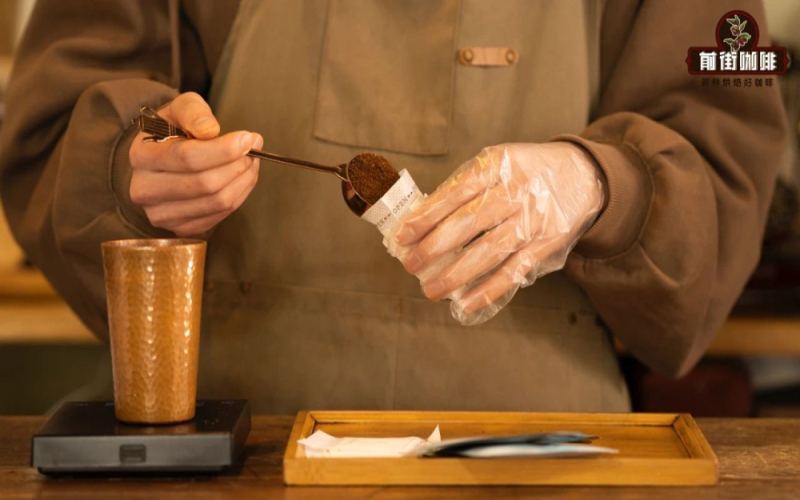
Can Drip Coffee Bags Be Reused for Multiple Brews? A Detailed Guide to Water-to-Coffee Ratios and Proper Pouring Steps
Drip bag coffee, with its combination of portability and flavor, has become the daily first choice for many coffee lovers in the workplace. However, this seemingly simple drip bag actually involves quite a few misconceptions during brewing—such as treating it like a tea bag and repeatedly steeping it, pouring water arbitrarily, and not controlling the water temperature. From the perspective of Front Street, this article systematically sorts out the essence of drip bag coffee, common brewing misconceptions, and provides a complete operation demonstration including warming the cup, pre-wetting, and pouring water. It also explains how to choose drip bag products according to personal taste and the practical reference significance of the shelf life, helping coffee enthusiasts consistently produce a delicious cup of drip bag coffee even when busy. [more…]
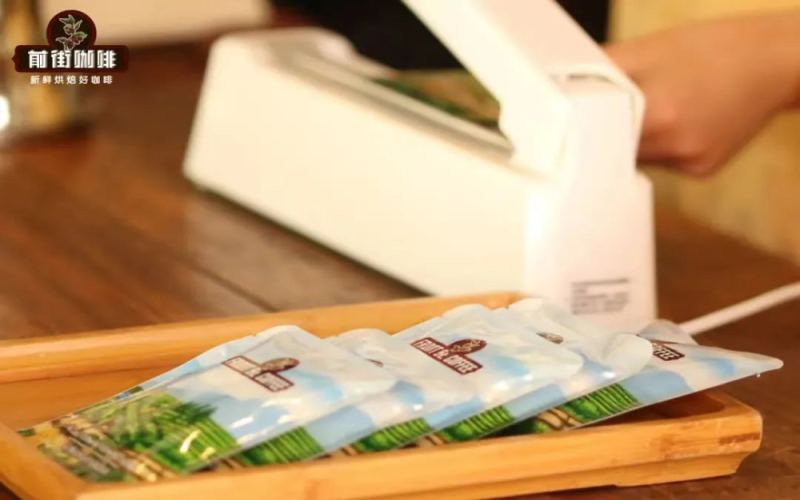
The Complete Guide to Drip Bag Coffee: Can You Steep It Directly? How to Choose the Grind Size?
Drip bag coffee is gaining popularity among more and more coffee lovers thanks to its convenience, but many people still have questions about how to brew it and how to choose the right grind size. This article will answer in detail whether drip bags can be steeped directly, how the coarseness of the coffee grounds affects flavor, and share Front Street Coffee's professional experience in making drip bags. From grind size classification to automated packaging, and on to controlling coffee bean freshness, we take you through the secrets of drip bag coffee so you can brew a great cup anytime, anywhere. [more…]
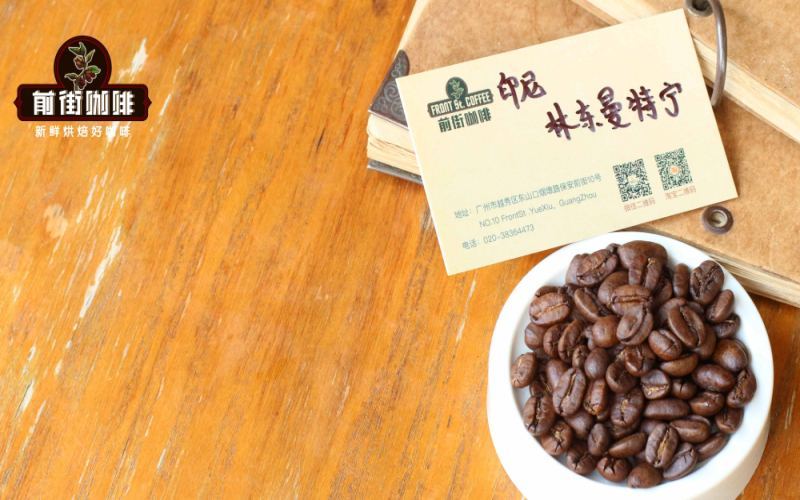
Can Drip Coffee Bags Be Directly Soaked? Is There Still Coffee Flavor After Repeated Brewing? Professional Analysis and Correct Brewing Guide
Drip bag coffee, with its portability and convenience, has become the choice of many coffee lovers who want to enjoy freshly ground flavor at the office or while traveling. But many people have questions about how to brew drip bag coffee: Can it be steeped directly in a cup like a tea bag? After repeated brewing, does it still have coffee flavor? This article will provide a detailed explanation of the essence of drip bag coffee, the correct brewing steps, the number of times it can be brewed, key points for purchasing, its advantages, and common misunderstandings, while also introducing Front Street Coffee's drip bag products, to help you fully understand drip bag coffee, avoid incorrect practices, and fully enjoy a good cup of coffee. [more…]
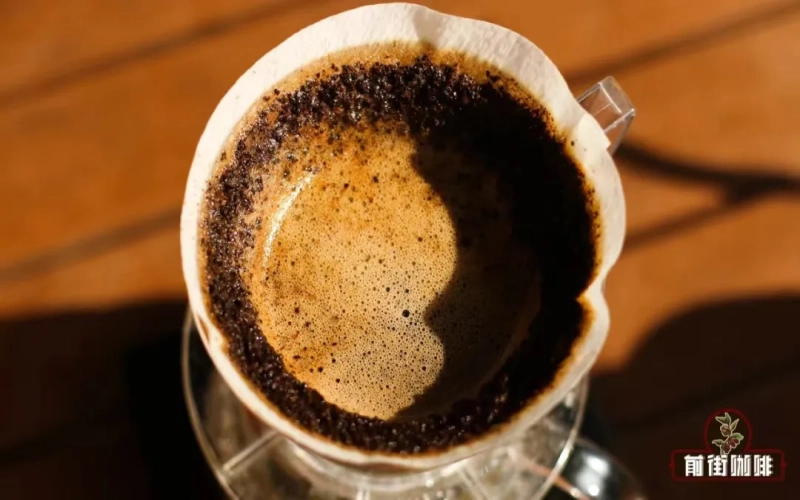
Can Coffee Grounds Be Reused for Repeated Extraction? Why Pour-Over and Drip Bag Coffee Shouldn't Be Brewed Multiple Times
Coffee and tea are both beverages that rely on water to dissolve flavor, so if tea leaves can be steeped repeatedly, can coffee grounds do the same? In terms of composition, about thirty percent of coffee beans is soluble matter, which theoretically does support multiple extractions. In practice, however, the coffee liquid obtained from repeated brewing tends to be thin and carry off-flavors. The reason is that a normal extraction has already released most of the sweet and sour essence, and the remaining substances cannot support good flavor. This article will start from extraction yield and the order in which flavors dissolve to explain why coffee grounds are single-use, and to clarify why pour-over and drip-bag coffee are not recommended for repeated brewing. [more…]
French Press Coffee Grounds-to-Water Ratio and Steeping Time Explained: A Complete Brewing Guide from Grind Size to Flavor
The French press, with its simple operation, no need for paper filters, and ability to retain coffee oils, has become the daily first choice for many coffee lovers. But to consistently produce a good cup of coffee, the coffee-to-water ratio, grind size, water temperature, and steeping time all need to be precisely controlled. This article focuses on the extraction principles and flavor characteristics of the French press, explains in detail the suitable roasting direction for coffee beans used in a French press, and uses the practical parameters of 15 grams of coffee to 240 grams of water as an example to break down the complete steps from pouring water and stirring to pressing and pouring out. It also shares Front Street Coffee's bean list recommendations and brewing key points to help you easily make a cup of rich, sweet, and layered French press coffee. [more…]

What Coffee Grounds Are Suitable for a French Press? Detailed Explanation of Hot vs. Cold Brew Differences and Brewing Parameters
The French Press was invented in France in the 19th century, and thanks to its simple structure and easy operation, it remains a daily choice for many coffee lovers today. It uses immersion extraction, requiring only three steps to brew: add grounds, pour water, and press the plunger. But to consistently produce a good cup of coffee, the coffee-to-water ratio, grind size, water temperature, and steeping time all need to be carefully controlled. Drawing on extensive brewing experience, Front Street Coffee offers coffee bean recommendations and parameter suggestions suited to the French Press, and extends this into a complete method for making iced coffee with a French Press. In addition, the French Press can also serve as a cupping tool, a tea-making vessel, or even a milk frother, and there are finer points to cleaning and disassembling it. [more…]
Which category of tea does Tieguanyin actually belong to? Green tea or oolong tea? A detailed explanation of the traditional Gongfu tea brewing steps.
Tieguanyin is a tea that often confuses newcomers—is it a green tea or an oolong? In fact, Tieguanyin is the signature variety of Minnan oolong, and its semi-fermented process gives it a distinctive orchid fragrance and the "Guanyin charm." To fully release its flavor, the traditional gongfu tea brewing method is especially key. This article will break down a complete oolong brewing process step by step—covering water quality selection, preheating the teaware, tea-to-water ratio, water temperature control, and steeping rhythm—and includes relevant product recommendations from the Front Street brand. Whether you're a beginner just getting to know Tieguanyin or a seasoned tea drinker looking to refine your skills, you'll find practical pointers to make every infusion consistent and outstanding. [more…]
The Complete Guide to Brewing Specialty Drip Bag Coffee: Correct Technique, Water Temperature, Water Volume, and Whether It Can Be Re-steeped
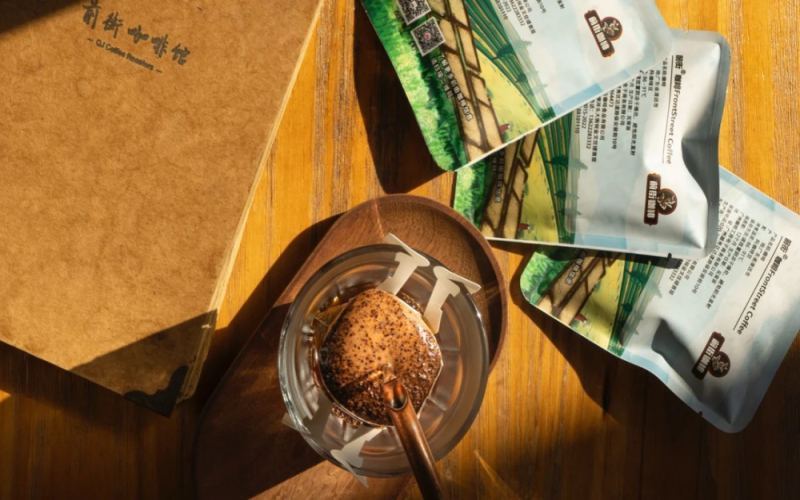
Drip coffee bags have become the top choice for many people's daily black coffee thanks to their portability and ease of use. However, despite their seemingly simple nature, every step—from warming the cup and controlling water temperature to the pouring rhythm—affects the final flavor. Using a 10-gram drip coffee bag as an example, Front Street Coffee breaks down the brewing process and key considerations in detail, and answers common questions such as whether drip bags can be reused and what details to look for when purchasing, helping coffee lovers consistently brew a delicious pour-over-quality black coffee at home. [more…]
Is the sun-dried G1 Huakui drip bag black coffee worth buying? A practical analysis from bean selection approach to brewing details
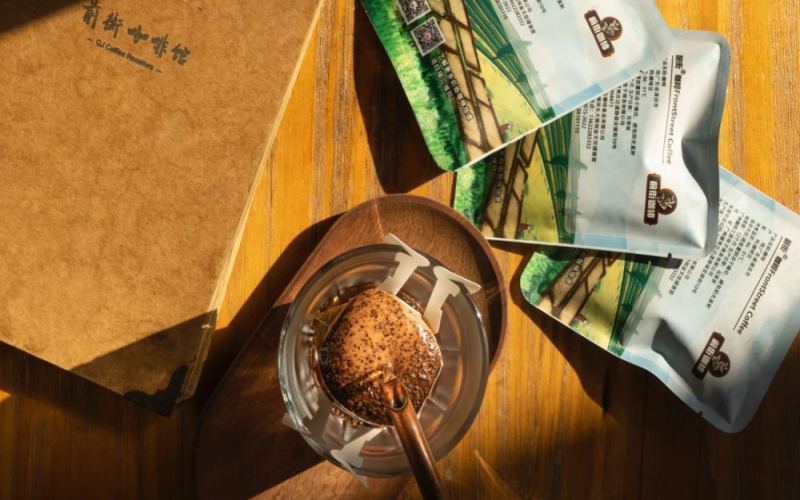
Friends who have just been introduced to coffee often ask: Will drinking drip coffee bags every day have any effect on my health? As a beginner, how should I choose black coffee bean drip coffee bags? This article starts with the direction of bean selection for beginners, helping you find the one that suits your flavor preferences, then discusses how to judge the roast level from flavor descriptions, followed by an objective analysis of the advantages and disadvantages of drip coffee bags, explaining why they can only be brewed once and cannot be re-steeped, and finally uses the Front Street Coffee Sun-Dried G1 Huakui drip bag as an example to break down the complete process step by step—from tearing the bag, blooming, pouring water, to making a latte—so that busy office workers can also casually brew a smooth, good cup of coffee. [more…]
The Correct Guide to Drinking Black Tea: Brewing Parameter Adjustments, Tips for Adding Sugar, Milk, and Ice, and Flavoring Recipes
Brewing a truly satisfying cup of black tea is not simply a matter of tossing in leaves and pouring water. From leaf particle size, water quality, and water temperature to steeping time and the tea-to-water ratio, every variable affects the final flavor. This article systematically lays out the core principles of brewing black tea, helping you adjust parameters flexibly when dealing with different types of black tea. At the same time, for common questions such as whether you can add sugar, milk, or ice, we also offer practical suggestions. If you find plain black tea monotonous, at the end of the article we provide a recipe for lemon-mint black tea, especially suited for iced drinks in summer. Whether you are a beginner just getting into black tea or a seasoned drinker looking to refine your brewing technique, this content is worth consulting. Front Street Coffee also emphasizes in its daily recommendations that good tea must be treated with care in order to release its best state. [more…]
A Detailed Guide to Loose-Leaf Tea Brewing Techniques: The Correct Steps and Key Selection Points for the Three Methods of Upper投, Middle投, and Lower投
To brew a delicious cup of loose-leaf tea, the order in which you add the tea leaves and the water matters a great deal. Traditional Chinese brewing methods fall into three categories: the top-drop method, the mid-drop method, and the bottom-drop method, each suited to tea leaves of different tenderness and form, and also closely tied to the season and air temperature. Experienced tea drinkers choose flexibly based on the type of tea, the age and tenderness of the leaves, and the air temperature. This article lays out the steps and precautions for all three methods, including key details such as the tea-to-water ratio, water temperature control, and timing for pouring off the liquor, along with practical photo demonstrations. Whether you have Biluochun, West Lake Longjing, or Huangshan Maofeng on hand, you can find a brewing plan that suits you and easily avoid common problems like over-steeping or leaves that refuse to sink. [more…]
Pour Over, Cold Brew, Ice Drip, Moka Pot, and Espresso: Grind Size Selection for Each Extraction Method and Analysis of 20-Mesh Sieve Pass Rate
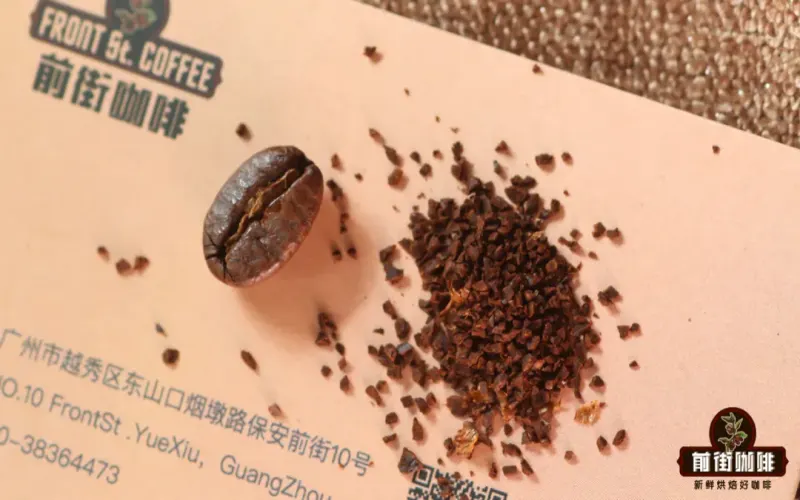
Grind size is one of the core parameters determining the success or failure of coffee extraction, but the coarseness of coffee grounds is difficult to describe with intuitive numerical values, so sieve passing rate has become a more precise way to communicate. In this article, Front Street will systematically sort out the suitable grind levels for pour-over, cold brew (cold immersion and ice drip), French press, clever cup, moka pot, and espresso machine, and provide specific passing rate references for the No. 20 Chinese standard sieve. Whether you are a beginner who has just started or a veteran player looking to calibrate your grind, you can find corresponding parameter suggestions here. The article also specifically explains the differences between medium-light roast and medium-dark roast pour-over, adjustment methods for iced pour-over, and the reason why cold brew grind is not finer-is-better, helping you avoid common pitfalls and brew a full-flavored good cup of coffee. [more…]
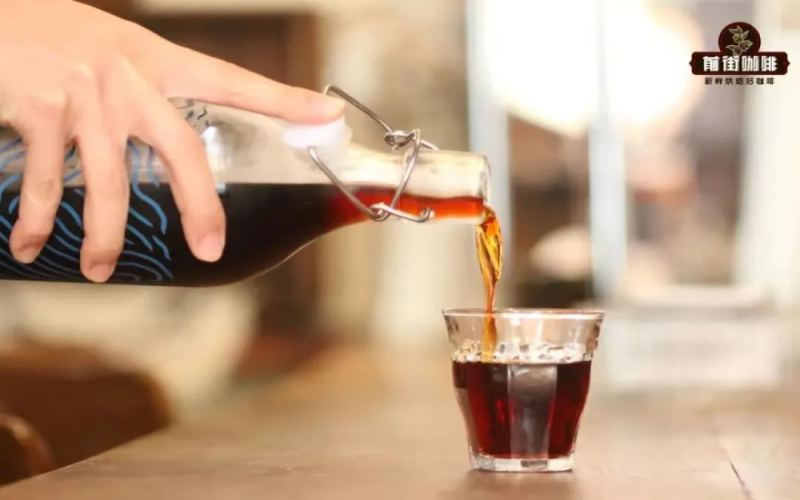
How to Determine the Water-to-Coffee Ratio and Grind Size for Cold Brew Coffee? A Complete Guide to Cold Brew Steeping Time and Coffee Bean Selection
To make a delicious cold brew coffee at home, the key is to master a few parameters: grind size, coffee-to-water ratio, and steeping time. Cold brew coffee is different from regular hot water brewing—it relies on long steeping or dripping with cold water to extract the coffee liquid. Common forms include cold steep and ice drip. Because extraction efficiency is low at low temperatures, the production time usually takes 6 to 8 hours or even longer, but in return you get a richer flavor and a fuller body. Refrigerated storage generally keeps it good for 3 to 5 days. This article covers cold brew coffee equipment selection, grind coarseness, water-to-coffee ratio, steeping time, and suitable coffee beans, and compiles several single-origin beans recommended by Front Street Coffee to help you make a cold brew coffee that is refreshing or has a prominent fermented note, according to your taste preference. [more…]
Can Drip Bag Coffee Be Brewed Directly? Does It Still Taste Like Coffee After Repeated Brewing? A Detailed Guide to Drip Bag Brewing Methods and Precautions
Drip bag coffee has become a staple choice for office workers and travelers thanks to its portability and simple operation. But many people wonder: can drip bag coffee be steeped directly in water? After repeated brewing, does it still have any coffee flavor? Starting from Front Street Coffee's drip bag products, this article introduces the definition of drip bag coffee, its similarities and differences with pour-over, the specific brewing steps, the recommended coffee-to-water ratio, as well as purchasing tips and three common misconceptions, to help you enjoy drip bag coffee more professionally. [more…]
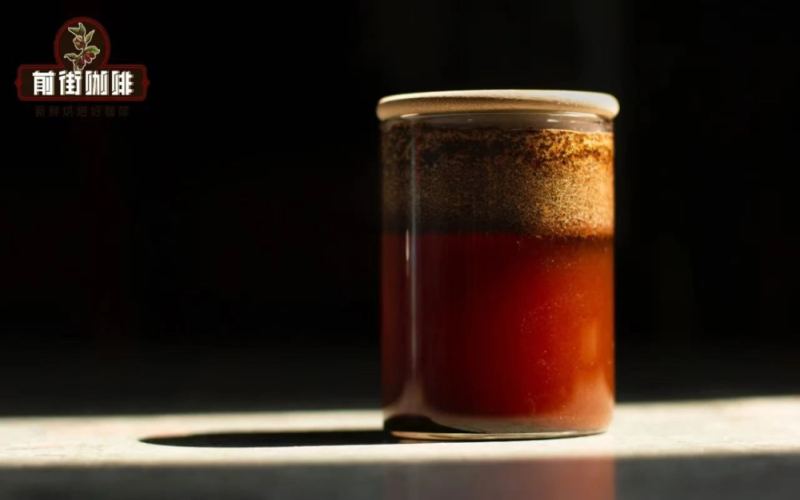
How long should cold brew coffee steep for the best flavor? Pairing grind size with extraction time
Cold brew coffee is an ideal choice for making iced coffee at home, with a high extraction fault tolerance, allowing you to achieve decent flavor performance without professional equipment. But how should grind size and steeping time be paired, what range should the coffee-to-water ratio be controlled within, and how will the flavor differ at different time points? Based on Front Street's practical experience, this article sorts out the complete logic for making cold brew coffee: the recommended coffee-to-water ratio is 1:12 to 1:13, the grind size references pour-over coarseness (70-85% passing rate through a No. 20 sieve), and the steeping time should be controlled between 8 and 24 hours. At the same time, it provides two practical approaches—coarse grind with a long time, and medium-fine grind with a medium-long time—along with the complete cold brew making steps and Front Street bean recommendations. [more…]
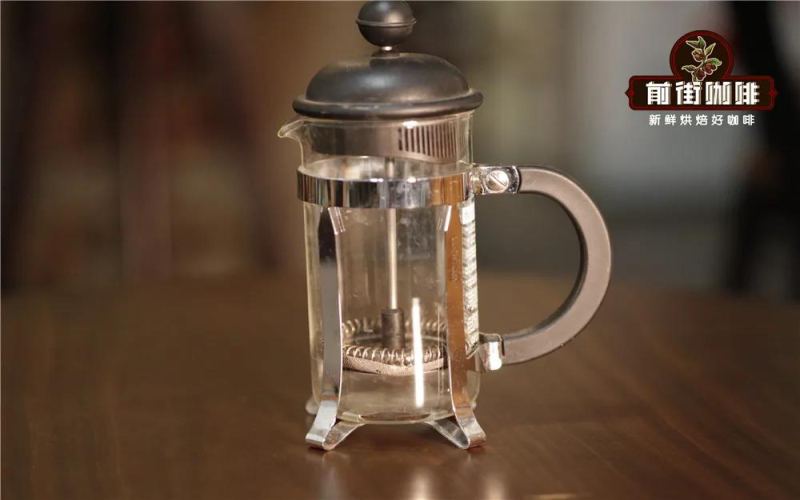
The Complete Guide to Brewing Coffee with a French Press: A Detailed Explanation of Grind Size, Water Temperature, Coffee-to-Water Ratio, and Steeping Time
The French press is easy to operate, yet it best showcases the true flavor of coffee beans, earning it the reputation of the "lazy person's brewing method." But to brew a good cup of French press coffee, grind size, water temperature, water ratio, and steeping time all need to be precisely controlled. Starting from Front Street Coffee's practical standards, this article explains in detail the French press's structural principles and extraction logic, provides the grind passing rate, recommended water temperature, and 4-minute steeping plan for medium-light and medium-dark roasted beans, and explains why balanced beans are more suitable for the French press than beans with rich layers. [more…]